
Mushrooms During Pregnancy: Unveiling the Risks & Realities
Curiosity is a natural part of both creativity and parenthood—prompting questions about what’s safe or expressive to explore. Many people wonder about mushrooms during pregnancy, their cultural legacy, and how they fit (or don’t) into a mindful, modern lifestyle. Are psilocybin mushrooms bad for you in pregnancy, or are there deeper layers to this conversation worth exploring?

A visual interpretation of mushrooms during pregnancy through a bold and expressive lens
Let’s get specific—what does the concept of mushrooms during pregnancy actually mean? For most, the term refers to the use (intentional or accidental) of psychedelic or psilocybin-containing mushrooms while pregnant or breastfeeding. While culinary mushrooms (like cremini, shiitake, or oyster) have a storied place in nutritious, creative eating, psychedelic mushrooms are an entirely different conversation—especially for those expecting a child.

A visual interpretation of mushrooms during pregnancy through a bold and expressive lens
The conversations about mushrooms during pregnancy exist at the intersection of creativity, wellness, and expressive living. Microdosing, intentional set-and-setting, and the celebration of altered states have become hot cultural topics. But the stakes change for pregnant people: popular curiosity collides with medical uncertainty and deeply personal responsibility. While some seek expanded consciousness (sometimes through creative lifestyle tinctures), pregnancy encourages a more nuanced dialogue about risk and reward.
Some communities and wellness advocates herald mushrooms for fostering creativity, breaking mental routine, and offering expressive breakthroughs. However, when it comes to mushrooms during pregnancy, the science tells a different—and much more cautious—story. The acute psilocybin side effects like nausea, blood pressure changes, hallucinations, and psychological fluctuations represent substantial risks when carrying new life. Effects and dosages are unpredictable. For the pregnant person, that isn’t just bodily math; it’s a calculation involving another human’s future.
Unlike culinary mushrooms—which can be styled into vibrant dishes or ritual teas (like herbal blends for mindful moments)—psilocybin is a pharmacologically active compound. And there’s little to no reliable research ensuring its safety for pregnant or breastfeeding people. The potential impact on a developing fetus or a breastfeeding infant includes unknowns around long-term neurodevelopmental effects, maternal health outcomes, and emotional stability during an especially sensitive window.
Pregnancy isn’t a time to experiment with psilocybin, regardless of how creativity-inspiring, visionary, or freeing those experiences might be in other contexts. Medical advice is clear: avoid psychedelic mushrooms during pregnancy. If you’re craving creative expression or a ritualistic lift, opt for mindful alternatives—like pregnancy-friendly herbal teas, grounding meditations, expressive journals, or even small sensory treats (for post-pregnancy, explore vibrant products like lifestyle gummies). But above all, choose experiences steeped in safety, grounded in evidence, and aligned with the best chance for maternal and baby well-being.
One pitfall is assuming that if something is ‘natural’ it must be harmless—an especially alluring idea in creativity-driven wellness circles. Are psilocybin mushrooms bad for you during pregnancy? Evidence strongly suggests they are, given the unpredictable psilocybin side effects and total absence of clinical research on their use in expectant or breastfeeding mothers. Risks include potential miscarriage, fetal neurodevelopmental disruptions, and postpartum mood destabilization. Another misconception: microdosing during pregnancy is safe because it’s a small dose. However, dose matters less than the inherent physiological vulnerability of the pregnant body and fetus.
Many also believe that because psilocybin experiences can foster lasting creativity and self-discovery (references to vibrant capsules abound), they will automatically uplift pregnancy journeys. In reality, the psychological unpredictability can produce lasting distress, anxiety spikes, or social withdrawal—not inspiration—especially against a backdrop of hormone shifts and life changes.
The wisdom is in adaptation: creative living during pregnancy can be just as expressive, but it must be safe. Explore culinary mushrooms in bold new recipes; use herbs for soothing teas to foster ritual and connection. Try breathwork circles, nature walks, or crafting with other expectant parents. Prioritize those expressive rituals that nourish without risk, and bookmark the question of mushrooms during pregnancy for later seasons of life, when both body and creative mind are ready to safely explore.
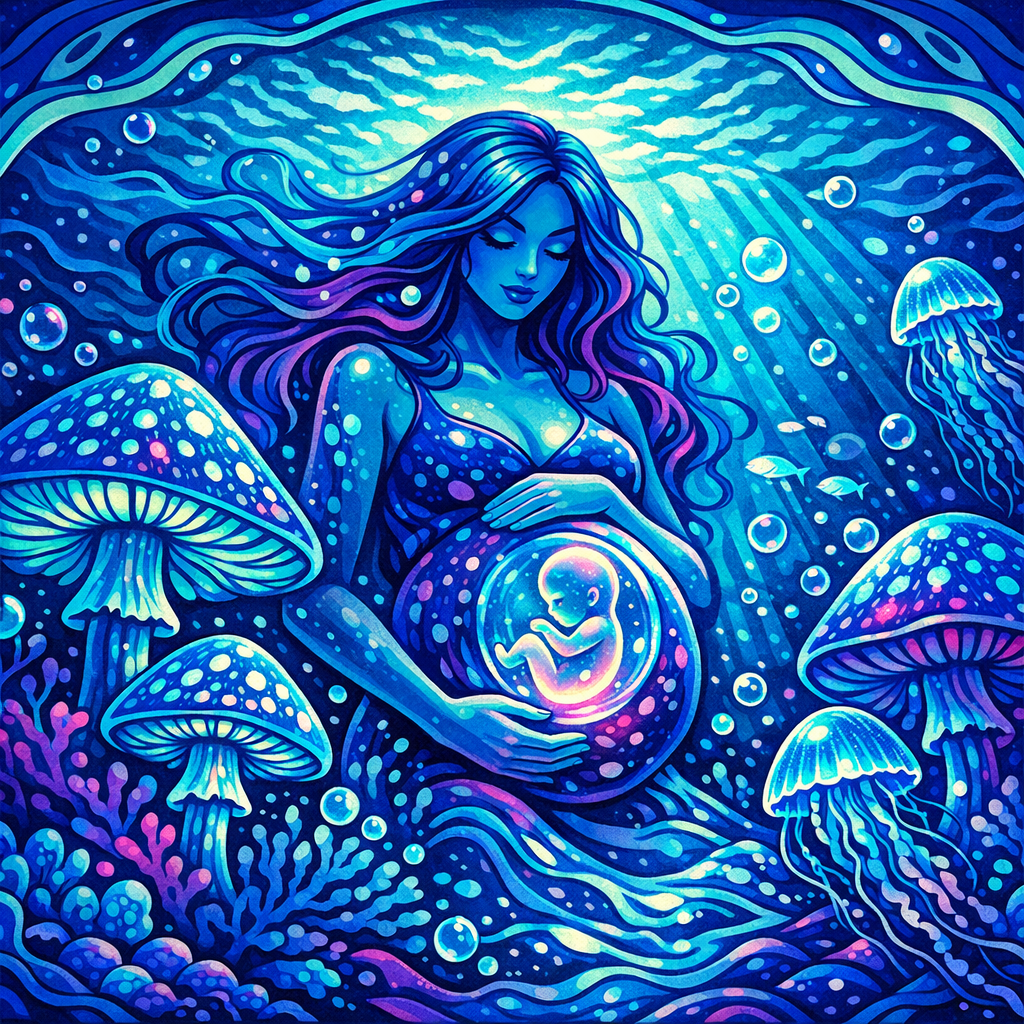
A visual interpretation of mushrooms during pregnancy through a bold and expressive lens
A creative lifestyle welcomes wonder, but also discernment. The intrigue of mushrooms during pregnancy meets a hard boundary set by science, risk, and care for life’s possibilities. For now, the best form of modern expressiveness during pregnancy comes from mindful, supportive experiences that honor both individual and community well-being. If your curiosity endures, document your questions, save them for postpartum nights, and consider expressive alternatives that fit this powerful chapter in your story. Mushrooms—at least the psychedelic type—will patiently await your return.
If you’re looking for a more grounded and mindful approach to wellness, explore Ritual Relief.
Subscribe now to keep reading and get access to the full archive.